
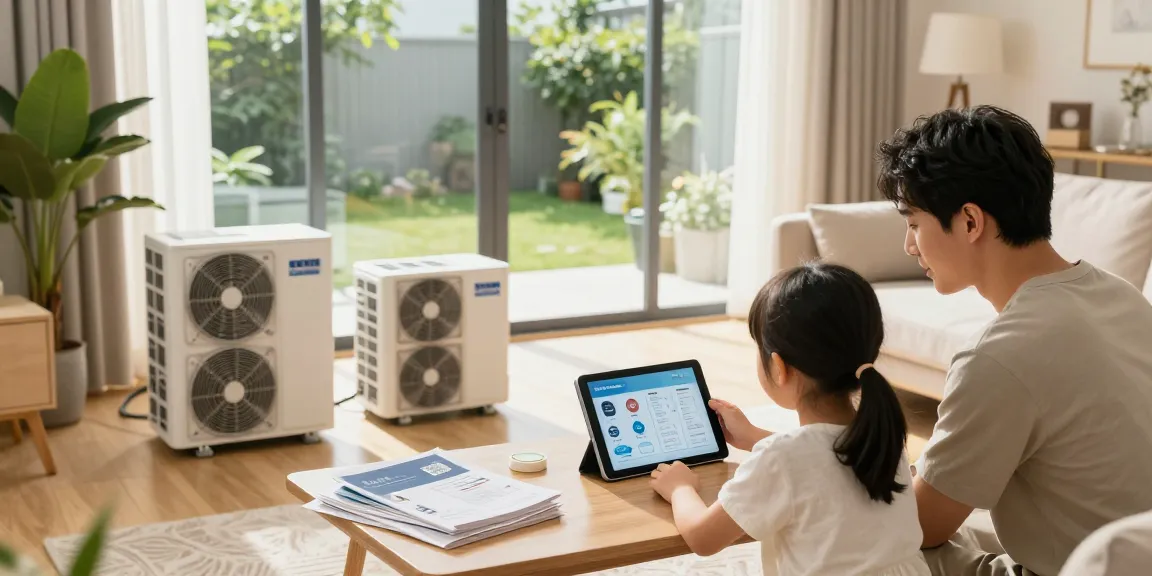
Understanding Wärmepumps: The Basics
Wärmepumps have gained immense popularity as a sustainable heating and cooling solution in recent years, transforming the way homeowners think about energy efficiency. With increasing focus on reducing carbon footprints and energy costs, understanding the fundamentals of Wärmepumps is essential for making an informed purchase. From their working principles to the various types available, this article will guide you through everything you need to know about wärmepumpe kaufen.
What is a Wärmepumpe?
A Wärmepumpe, or heat pump, is an energy-efficient device that transfers heat from one location to another, making it suitable for both heating and cooling applications. They operate on the principle of heat transfer, extracting heat from the air, ground, or water and delivering it into a building as needed. This technology is primarily categorized into three types: air-source, ground-source, and water-source heat pumps.
Types of Wärmepumps Explained
- Air-Source Wärmepumps: These pumps extract heat from the outside air and are suitable for moderate climates. They are the most common type due to their lower initial costs.
- Ground-Source Wärmepumps (Geothermal): These systems utilize the stable temperature of the earth below the surface for heating and cooling. Although they have higher installation costs, they are incredibly efficient in the long run.
- Water-Source Wärmepumps: These pumps draw heat from a nearby water source, such as a lake or river, offering high efficiency and performance but depending on geographical location.
How Wärmepumps Work for Home Heating and Cooling
In heating mode, a Wärmepumpe absorbs heat from the outside environment and transfers it indoors. The refrigerant inside the system evaporates to absorb heat, is compressed to increase its temperature, and then dissipates the heat into the home through a heating system. Conversely, in cooling mode, the process is reversed, providing cool air by absorbing heat from inside the home and releasing it outdoors. This dual functionality makes Wärmepumps a versatile choice for year-round comfort.
Benefits of Buying a Wärmepumpe
Energy Efficiency and Cost Savings
One of the primary benefits of installing a Wärmepumpe is its energy efficiency. Compared to traditional heating systems like oil or gas boilers, Wärmepumps can reduce energy bills significantly. On average, they can produce three units of heat for every unit of electricity consumed, achieving a high coefficient of performance (COP). Such efficiency translates into substantial long-term savings.
Environmental Impact of Using Wärmepumps
Wärmepumps are often heralded as a crucial technology in reducing greenhouse gas emissions. By utilizing renewable energy sources, they reduce reliance on fossil fuels and lower the overall carbon footprint of a household. In countries where the electricity grid is increasingly powered by renewables, the environmental benefits are even more pronounced.
Government Incentives and Subsidies for Wärmepumps
Many governments offer financial incentives and subsidies to encourage the adoption of Wärmepump technology. These incentives can significantly reduce the upfront costs associated with purchasing and installing a Wärmepumpe, making them more accessible for homeowners. It’s advisable to check local regulations and available programs to maximize potential savings.
Factors to Consider When Choosing a Wärmepumpe
Sizing Your Wärmepumpe for Your Home
Correct sizing is critical for the efficiency and effectiveness of a Wärmepumpe. An undersized unit may struggle to heat or cool your home adequately, while an oversized unit can lead to higher energy consumption and increased wear. Consulting a professional for a load calculation can help determine the right size for your needs.
Comparing Brands and Models
With numerous brands and models on the market, it’s essential to compare features, efficiency ratings, and warranties. Popular brands include Viessmann, Bosch, and Daikin, each offering a range of options suited for different budgets and needs. Look for models with high ENERGY STAR ratings to ensure maximum efficiency.
Installation Requirements and Considerations
Installation of a Wärmepumpe can vary significantly based on the type chosen. Ground-source systems, for example, require substantial land for installation, while air-source models are generally easier to install. Be sure to hire a qualified contractor who can ensure compliance with local building codes and regulations.
Expert Tips for a Successful Wärmepumpe Purchase
Researching and Comparing Prices Effectively
Investing time in research is essential. Compare prices from multiple suppliers and take advantage of online platforms to assess reviews and customer feedback. This diligence can help you find the best value for your investment while ensuring you select a reliable product.
Questions to Ask Your Installer or Supplier
When speaking with installers or suppliers, it’s valuable to ask about their experience, the types of Wärmepumps they recommend, installation timelines, and any warranties they offer. Inquire about maintenance plans as well to ensure the longevity of your unit.
Understanding Warranty and Maintenance Plans
Warranties vary greatly among manufacturers and can cover parts, labor, and specific components. It’s crucial to understand what is included and the duration of coverage. Regular maintenance is also pivotal; some manufacturers may require it to keep the warranty valid.
Future Trends in Wärmepump Technology
Innovations in Wärmepump Design
The Wärmepump market continues to evolve, with innovations focused on improving efficiency and reducing noise. New designs are incorporating more advanced inverter technology and smart controls, enabling users to optimize their energy use based on real-time data.
Predictions for Wärmepump Market Growth by 2026
As the demand for sustainable energy solutions rises, the Wärmepump market is poised for significant growth. Industry analysts predict that by 2026, the market will expand rapidly due to supportive governmental policies and increased consumer awareness of environmental issues.
Integrating Smart Technology with Wärmepumps
Smart home integration is becoming a major trend in the heating industry. Many modern Wärmepumps can now connect to home Wi-Fi and be controlled through smartphone apps, providing users with the ability to manage their heating and cooling remotely, further enhancing energy efficiency.
What are the common pitfalls when buying a Wärmepumpe?
Common pitfalls include inadequate sizing, neglecting to compare different models, and underestimating installation costs. Additionally, failing to account for maintenance can lead to unexpected expenses down the line. Thorough research and proper planning can help avoid these issues.
How much can I save with a Wärmepumpe?
While savings vary by region and energy prices, homeowners can generally expect to save 30% to 60% on their heating and cooling costs with a Wärmepumpe compared to traditional systems. Considering these savings over time can justify the initial investment.
What size Wärmepumpe do I need for my home?
The required size of a Wärmepumpe depends on factors such as the home’s square footage, insulation quality, and local climate. A professional assessment can provide a tailored recommendation to ensure optimal performance.
How long does installation of a Wärmepumpe take?
Installation timelines can vary widely based on the system type and complexity. Air-source Wärmepumps can typically be installed in one day, while ground-source systems may require several days to a week due to the necessary excavation.
Are Wärmepumps noisy when they operate?
Noise levels vary by model, but many modern Wärmepumps are designed for quiet operation. Air-source models may generate some noise during operation, but advancements in technology have significantly reduced sound levels, making them suitable for residential areas.