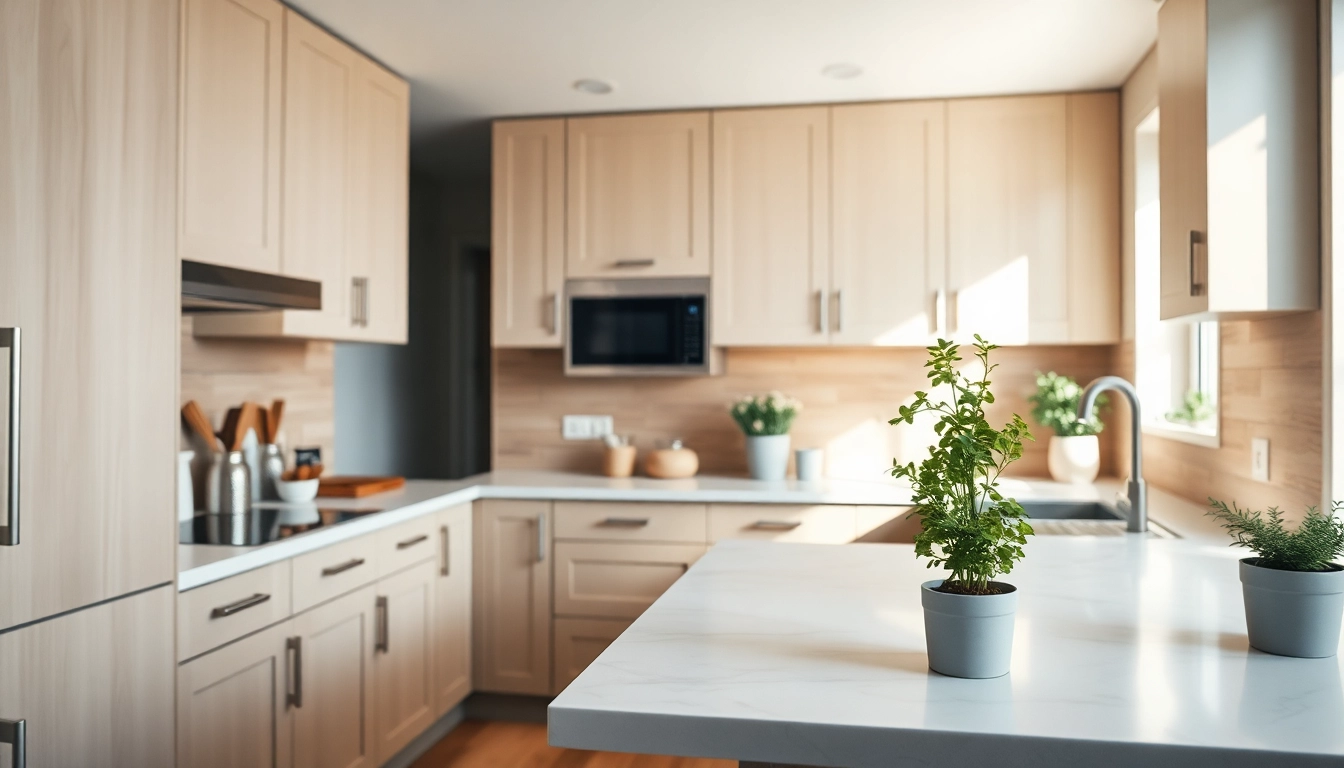
Understanding the Basics of Remodeling
What Is Remodeling?
Remodeling refers to the process of altering the structure or appearance of a residential or commercial space. It often includes significant renovations, such as changing the layout of a room, upgrading fixtures, or completely transforming a space. Unlike simple repairs or maintenance, remodeling aims to create a more functional, aesthetically pleasing, and modern environment, tailored to the needs and preferences of the occupant.
Key Benefits of Remodeling
The advantages of remodeling can be significant, both emotionally and financially. Here are some key benefits:
- Increased Property Value: A well-executed remodel can significantly boost the market value of your home, making it a smart investment.
- Improved Functionality: Remodeling allows you to reconfigure spaces, enhancing usability and convenience for everyday living or working.
- Personalization: One of the greatest benefits is the ability to tailor your space to reflect your personal style and meet your specific needs.
- Energy Efficiency: Upgrading to modern appliances and materials can reduce energy consumption, leading to lower utility bills and a smaller carbon footprint.
- Emotional Well-being: A refreshed environment can have positive psychological effects, improving your mood and motivation.
Common Remodeling Myths
Despite the clear benefits, several misconceptions about remodeling persist. Understanding these myths can help homeowners make informed decisions:
- Myth 1: Remodeling is only for wealthy homeowners. Truth: While some projects can be expensive, many remodeling options are budget-friendly and can fit within various financial constraints.
- Myth 2: You always need a permit. Truth: Not all remodeling projects require a permit, but it's essential to check local regulations to ensure compliance.
- Myth 3: DIY is always cheaper. Truth: While DIY can save labor costs, it may not always be the most economical choice if you lack the necessary skills.
- Myth 4: Remodeling will always take longer than planned. Truth: Proper planning and scheduling can lead to timely completion, although some factors may be out of your control.
- Myth 5: Remodeling doesn’t add value. Truth: Many projects, particularly kitchens and bathrooms, can yield a high return on investment when done correctly.
Planning Your Remodeling Project
Setting a Realistic Budget
Budgeting is one of the most critical steps in any remodeling project. To set a realistic budget:
- Assess your financial situation to determine how much you can afford without straining your finances.
- Obtain estimates from contractors for different aspects of the project, allowing for a comprehensive view of potential costs.
- Factor in a contingency budget of 10-20% to cover unforeseen expenses, as surprises are common during remodeling.
- Prioritize aspects of the project and be willing to adjust your plans based on budget constraints.
Choosing the Right Design Style
The design style you choose should reflect your personal preferences and complement the architectural style of your home. Here are steps to guide your choice:
- Research Different Styles: Explore various design styles such as modern, traditional, rustic, or minimalist to see what resonates with you.
- Consider Functionality: Select a style that suits the intended use of the space. For example, an open-concept design is popular in modern kitchens for social interaction.
- Gather Inspiration: Use platforms like Pinterest or interior design websites to compile ideas that speak to your aesthetic.
- Consult with Professionals: Hiring a designer can provide valuable insights and help ensure your vision translates into reality.
Hiring Professionals vs. DIY
Deciding between hiring professionals or tackling a remodel on your own can be challenging. Each comes with its pros and cons:
- Hiring Professionals: This option ensures that your project meets industry standards, with expertise helping avoid costly mistakes. Best for complex projects requiring specialized skills.
- DIY: This can save on labor costs and allows for a personal touch. Ideal for simple projects or when budget constraints demand it. However, mistakes can increase overall costs if not executed properly.
Consider your skills, available time, and the project's complexity when making this decision to achieve the best results.
Trends in Remodeling
Popular Design Trends for 2023
Each year brings fresh design trends that inspire homeowners. Some of the popular remodeling trends for 2023 include:
- Biophilic Design: Incorporating natural elements into design, such as plants and natural light, to create a calming environment.
- Multifunctional Spaces: As remote work persists, creating adaptable spaces that can serve various functions is increasingly popular.
- Bold Colors: Many homeowners are moving away from neutral palettes to embrace vibrant colors that make a statement.
- Textured Finishes: Incorporating various textures with materials like rough wood, metals, and fabrics enhances visual interest.
- Sustainable Materials: There is a growing demand for eco-friendly materials that are recycled or sustainably sourced.
Eco-Friendly Remodeling Practices
More homeowners are prioritizing sustainability during remodeling. Here’s how you can make your project eco-friendly:
- Choose Sustainable Materials: Opt for products made from renewable resources, such as bamboo flooring or recycled glass tiles.
- Energy-Efficient Appliances: Investing in Energy Star-rated appliances reduces energy consumption and lowers utility bills.
- Maximize Natural Light: Consider adding windows or skylights to reduce reliance on artificial lighting and create a brighter space.
- Implement Water Conservation: Installing low-flow fixtures and appliances minimizes water usage without sacrificing performance.
Technology Integration in Home Remodeling
Incorporating technology in your remodeling can enhance comfort and efficiency. Here are some advancements that are increasingly popular:
- Smart Home Devices: Integrate devices like smart thermostats, lighting, and security systems for greater control and convenience.
- Home Automation: Consider features that allow you to control various aspects of your home with a smartphone or voice command.
- Energy Monitoring Systems: These systems provide real-time data on energy usage, helping you make informed decisions to conserve resources.
- Wireless Solutions: Prioritize wireless technology to avoid the hassle of extensive wiring during your remodel.
Executing Your Remodeling Plan
Managing the Timeline Effectively
Timelines can make or break a remodeling project. Here are tips to keep your project on schedule:
- Detailed Planning: Create a comprehensive plan with clear timelines for each phase of the project, allowing for smoother transitions.
- Regular Communication: Stay in touch with your contractors to address any roadblocks as they occur and adjust timelines if necessary.
- Be Flexible: Understand that delays may happen; being flexible can reduce stress and keep your project moving forward.
- Monitor Progress: Regularly evaluate progress against the timeline and adjust expectations or project scope as needed.
Ensuring Quality Workmanship
To achieve high-quality results during remodeling, consider the following practices:
- Hire Experienced Professionals: Look for contractors with a strong portfolio and positive reviews, ensuring they have the right skills for your project.
- Conduct Regular Inspections: Regularly check the work as it progresses to ensure it meets your standards and complies with local regulations.
- Demand Quality Materials: Opt for high-quality materials, as they last longer and provide better value over time.
- Stay Involved: Being actively involved during the remodel can help address potential issues before they escalate.
Staying Within Budget
Staying within your budget can be challenging, but it’s essential for the success of your project. Here are strategies to help manage costs:
- Prioritize Needs vs. Wants: Distinguish between essential elements of your remodel and desirable upgrades to keep spending in check.
- Cost Tracking: Use tools or spreadsheets to monitor expenses against your budget as the project progresses.
- Negotiate: Don’t hesitate to discuss pricing with contractors to find a mutually beneficial agreement without compromising quality.
- Review Contracts Carefully: Ensure you understand all costs outlined in contracts to avoid unexpected expenses down the line.
Post-Remodeling Considerations
Maintaining Your Newly Remodeled Space
Once your remodeling project is complete, proper maintenance is crucial to prolong its lifespan and maintain its beauty. Here are key maintenance tips:
- Regular Cleaning: Develop a cleaning schedule that suits the materials and finishes of your new space to prevent wear and tear.
- Routine Inspections: Periodically check for signs of wear, damage, or necessary repairs, addressing issues proactively.
- Follow Manufacturer Guidelines: Adhere to specific care instructions for appliances, fixtures, and materials to maintain their function and appearance.
Evaluating the Success of Your Remodeling
After your project, take the time to evaluate its success through these steps:
- Feedback from Residents: Gather input from everyone using the space to gauge satisfaction levels and functionality.
- Monitor Performance: Assess energy bills and occupancy comfort to evaluate the effectiveness of efficiency upgrades.
- Address Remaining Issues: Tackle any remaining concerns that were not rectified during the remodeling process.
Future Needs and Expansions
Remodeling should also consider future needs. Plan appropriately:
- Anticipate Growth: Consider how your needs might change in the coming years, whether that involves family growth, aging in place, or accommodating work-from-home scenarios.
- Flexible Spaces: Design multi-purpose areas that can adapt to different uses without major renovations.
- Invest in Quality: Choose durable materials and timeless designs that will not require frequent upgrades.
FAQs
1. How long does a typical remodeling project take?
The duration of a remodeling project varies based on complexity but usually ranges from a few weeks to several months.
2. What percentage of my home's value should I spend on remodeling?
As a general rule, consider spending about 10-15% of your home’s total value on remodeling to yield positive returns.
3. How do I find the right contractors for my remodeling project?
Seek recommendations from friends and family, check online reviews, and interview several candidates before making a decision.
4. What are the most valuable areas to remodel?
Kitchen and bathroom renovations typically yield the highest return on investment, increasing home value significantly.
5. Can I live in my home during the remodeling process?
Depending on the extent of the renovations, it may be feasible. However, prepare for noise, dust, and some disruption to your daily routine.